Professional Solutions
Premium products at an affordable price

Find the right Shop for you

Shop

that have you covered

NOW ON SALE

100% Quality Assured

Show
Deye Batteries
Deye Batteries
Price range: KSh 125,400.00 through KSh 231,000.00 Select options This product has multiple variants. The options may be chosen on the product page
Deye HV batteries
Deye HV batteries
Price range: KSh 125,400.00 through KSh 231,000.00 Select options This product has multiple variants. The options may be chosen on the product page
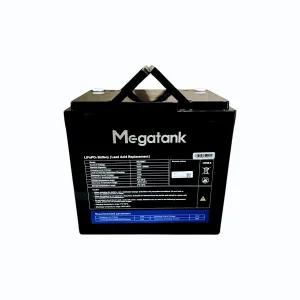
Megatank GLAR Series LiFePO4 Lithium Battery
Megatank GLAR Series LiFePO4 Lithium Batte...
KSh 58,080.00 Select options This product has multiple variants. The options may be chosen on the product page
SVC Wall Mount Lithium Battery
Price range: KSh 112,200.00 through KSh 211,200.00 Select options This product has multiple variants. The options may be chosen on the product page
TBB Lithium Battery
TBB Lithium Battery
Price range: KSh 145,200.00 through KSh 269,280.00 Select options This product has multiple variants. The options may be chosen on the product page

Shop Solar Batteries in Kenya

Store solar energy and maintain dependable backup power with quality solar batteries from Wayad Connect. Our range includes lithium solar batteries and other battery technologies designed for residential, commercial, telecommunications and off-grid power systems. Solar batteries store electricity generated by solar panels or supplied through a compatible inverter and charger. The stored energy can then be used at night, during cloudy conditions or when the main electricity supply is unavailable. Whether you are installing a new solar power system, replacing an ageing battery or expanding your current storage capacity, Wayad Connect offers solar battery options for different energy requirements across Kenya.

Types of Solar Batteries Available

Solar batteries are available in different technologies, voltages and storage capacities. The most suitable choice will depend on the inverter, expected electrical load, required backup duration and frequency of use. Available battery options may include:
  • Lithium solar batteries
  • Lead-acid solar batteries
  • Carbon batteries
  • Deep-cycle batteries
  • Telecom batteries
  • Battery modules for compatible inverter systems
Always confirm that the battery voltage, charging requirements and communication features are compatible with your solar inverter.

Lithium Solar Batteries

Lithium solar batteries are widely used in modern solar and backup power systems. They generally offer a higher usable storage capacity, faster charging and a longer cycle life than many traditional battery technologies. Lithium batteries may be suitable for:
  • Residential solar systems
  • Commercial backup power
  • Off-grid installations
  • Hybrid solar systems
  • Telecommunications equipment
  • Security and CCTV systems
  • Remote offices and properties
  • Daily power-backup applications
When choosing a lithium solar battery, consider:
  • Battery capacity
  • Nominal voltage
  • Usable energy
  • Recommended depth of discharge
  • Maximum charging current
  • Maximum discharge current
  • Expected cycle life
  • Battery management system
  • Inverter communication support
  • Expansion capabilities
Some lithium batteries can communicate directly with compatible inverters to help manage charging, discharging and battery protection.

Lead-Acid and Deep-Cycle Batteries

Lead-acid batteries remain commonly used in solar, inverter and backup power systems. They are available in different designs, including sealed, maintenance-free and deep-cycle options. Deep-cycle batteries are designed to handle repeated charging and discharging more effectively than batteries intended mainly for starting vehicles. Before selecting a lead-acid solar battery, check:
  • Battery voltage
  • Capacity in ampere-hours
  • Recommended depth of discharge
  • Charging voltage
  • Ventilation requirements
  • Maintenance requirements
  • Expected cycle life
  • Installation position
Lead-acid batteries generally require more careful discharge management to help maintain their service life.

Carbon and Telecom Batteries

Carbon batteries may be used in selected solar and backup power applications that require repeated cycling and dependable performance. Telecom batteries are commonly designed for telecommunications, data, security and backup power installations. Their suitability for a particular solar system will depend on the inverter, charging requirements and expected operating conditions. Always review the product specifications before using a telecom or carbon battery in a solar power system.

Solar Batteries and Hybrid Inverters

Hybrid inverters can manage electricity from solar panels, batteries and the national grid. They may charge the battery using solar energy or grid power and automatically supply stored energy when required. When pairing solar batteries with hybrid inverters, confirm:
  • Compatible battery technology
  • Required battery voltage
  • Maximum charging current
  • Communication protocol
  • Supported battery capacity
  • Number of batteries that can be connected
  • Parallel connection requirements
  • Inverter firmware requirements
A battery should not be connected to a hybrid inverter merely because the voltage appears similar. Communication settings, charging parameters and manufacturer compatibility must also be checked.

Understanding Solar Battery Capacity

Solar battery capacity may be stated in ampere-hours or kilowatt-hours. Ampere-hours show the amount of electrical charge the battery can store, while kilowatt-hours provide a clearer indication of the total energy available. For example, the usable energy from a battery depends on:
  • Battery voltage
  • Rated capacity
  • Recommended depth of discharge
  • Inverter efficiency
  • Battery condition
  • Connected electrical load
The full advertised capacity may not always be available for regular use. The recommended depth of discharge should be followed to protect the battery and maintain its expected lifespan.

How to Choose the Right Solar Battery

Consider the following before purchasing a solar battery:
  • Appliances and equipment to be powered
  • Total energy consumption
  • Required backup duration
  • Inverter battery voltage
  • Maximum charging current
  • Battery technology
  • Available installation space
  • Expected frequency of use
  • Indoor temperature and ventilation
  • Future system expansion
  • Budget
  • Warranty terms
A small battery may support lighting, internet equipment and phone charging, while refrigerators, pumps, televisions and commercial equipment will require more storage capacity. A qualified solar technician should complete a load assessment before the battery bank is selected.

Calculating the Required Battery Storage

To estimate the required storage capacity, list all appliances that will be powered and determine:
  • Appliance wattage
  • Number of appliances
  • Hours of daily operation
  • Appliances operating simultaneously
  • Required backup time
  • Starting power for motors and compressors
The battery bank should also be matched with an inverter and solar panel array capable of charging it within a reasonable period. Installing a large battery bank with insufficient solar panel capacity may result in slow or incomplete charging.

Solar Batteries for Home Backup

Home solar batteries can support essential equipment such as:
  • Lights
  • Wi-Fi routers
  • Televisions
  • Phone chargers
  • Laptops
  • Security systems
  • Refrigerators
  • Small household appliances
The battery size required will depend on how many appliances are used and how long backup power is needed. High-consumption appliances such as electric cookers, water heaters, irons and air conditioners may require significantly larger batteries and inverters.

Solar Batteries for Businesses

Businesses can use solar batteries to provide backup energy for:
  • Computers
  • Internet equipment
  • Lighting
  • Point-of-sale systems
  • CCTV cameras
  • Access control systems
  • Communication equipment
  • Refrigeration
  • Essential office equipment
Commercial battery systems require careful planning because the electrical loads and operating hours may be higher than those of residential systems.

Connecting Multiple Solar Batteries

Some systems allow several batteries to be connected to increase voltage or storage capacity. However, batteries should only be connected according to the manufacturer’s instructions. Important considerations include:
  • Series or parallel configuration
  • Matching battery type
  • Matching capacity and age
  • Correct cable size
  • Suitable fuses and isolators
  • Balanced cable connections
  • Inverter limits
  • Battery communication requirements
Avoid mixing old and new batteries or different battery technologies within the same battery bank unless the manufacturer specifically allows it.

Battery Installation and Safety

Solar batteries should be installed in a secure, dry and well-ventilated location away from excessive heat, direct sunlight and water. Safe installation should include:
  • Correctly sized battery cables
  • Suitable circuit protection
  • Secure terminals
  • Correct polarity
  • Appropriate battery spacing
  • Proper earthing where required
  • Protection against accidental contact
  • Manufacturer-approved settings
  • Safe lifting and mounting
Lithium batteries should be installed and configured according to their battery management and inverter requirements. Installation should be completed by a qualified solar technician or electrician.

Maintaining Solar Batteries

Maintenance requirements vary according to battery technology. To help maintain battery performance:
  • Avoid unnecessary deep discharging
  • Use compatible charging settings
  • Keep terminals clean and secure
  • Protect batteries from excessive heat
  • Inspect cables and connections regularly
  • Avoid overloading the inverter
  • Follow the manufacturer’s maintenance instructions
  • Monitor battery performance where supported
  • Replace damaged or swollen batteries promptly
Lithium batteries generally require less routine maintenance than some lead-acid batteries, but correct system configuration remains essential.

Buy Solar Batteries from Wayad Connect

Shop solar batteries in Kenya from Wayad Connect. Explore lithium solar batteries, deep-cycle batteries, carbon batteries and other energy-storage solutions for residential, commercial and off-grid systems. Compare battery capacity, voltage, usable energy, cycle life, charging requirements and compatibility with your inverter before ordering. For complete systems, ensure that the solar panels, inverter, battery and protection equipment are correctly sized to work together.

Frequently Asked Questions

Which solar battery is best for home use?

The best battery depends on the household load, required backup duration, inverter compatibility and budget. Lithium solar batteries are commonly selected for systems that require frequent cycling and greater usable capacity.

What is the difference between lithium and lead-acid solar batteries?

Lithium batteries generally provide a greater usable depth of discharge, faster charging and longer cycle life. Lead-acid batteries may have a lower initial cost but normally require more careful discharge management.

Can solar batteries work with hybrid inverters?

Yes, provided the battery voltage, charging requirements and communication system are compatible with the hybrid inverter.

How many solar batteries do I need?

The number depends on the total energy used by the connected appliances and the required backup time. A professional load assessment can determine the appropriate battery capacity.

How long does a solar battery last during a power outage?

Backup duration depends on the battery’s usable capacity, the electrical load, inverter efficiency and battery condition. Higher loads will discharge the battery more quickly.

Can I add another battery later?

Some systems allow battery expansion, but the inverter limits, battery model, age, capacity and connection requirements must be considered. Lithium battery expansion should follow the manufacturer’s instructions.

Do solar batteries require maintenance?

Maintenance depends on the battery technology. Lithium batteries generally require minimal routine maintenance, while some lead-acid batteries may need more frequent inspection and care.