Shop Solar Pump Inverters in Kenya
Power water-pumping systems using solar energy with dependable
solar pump inverters from Wayad Connect. These specialised inverters help operate compatible water pumps using electricity generated by solar panels, making them suitable for farms, boreholes, irrigation projects, livestock watering, residential water supply and commercial pumping applications.
Whether you are installing a new solar water-pumping system or upgrading an existing pump setup, Wayad Connect offers solar pump inverter options for different motor sizes, water requirements and installation environments across Kenya.
What Is a Solar Water Pump Inverter?
A
solar water pump inverter converts direct-current electricity generated by solar panels into controlled alternating-current power that can operate a compatible water-pump motor.
Unlike a standard solar inverter used mainly for household appliances, a pump inverter is designed to manage the starting, speed and operation of electric water pumps.
Depending on the model, a solar pump inverter may:
- Convert solar-panel power for pump operation
- Control pump-motor speed
- Provide soft starting
- Adjust output according to available sunlight
- Protect the pump against selected electrical faults
- Support water-level sensors
- Stop the pump when the water source is dry
- Switch to grid or generator power where supported
- Display operating status and fault information
Available functions vary between inverter models.
How Solar Pump Inverters Work
Solar panels generate direct-current electricity during daylight hours. The solar pump inverter receives this electricity and converts it into the type of power required by the connected pump motor.
When sunlight is strong, the system can operate the pump at a higher output. When sunlight reduces, the inverter may adjust the motor speed or pause operation, depending on the available solar power and system settings.
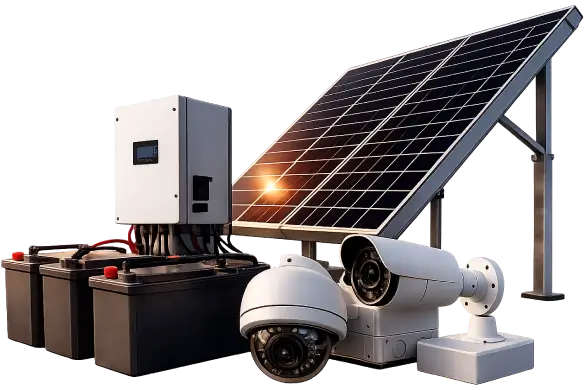
A typical solar water-pumping system may include:
- Solar panels
- Solar pump inverter
- Borehole or surface water pump
- Pump motor
- Solar cables
- Motor cables
- Water-level sensors
- Dry-run sensors
- Circuit breakers
- Isolators
- Surge protection
- Water pipes
- Storage tank
- Mounting equipment
All components should be sized and configured to work together.
Solar Pump Inverters for Boreholes
A solar water pump inverter can be used to operate compatible submersible pumps installed in boreholes.
Borehole pumping systems may be used for:
- Household water supply
- Farm irrigation
- Livestock watering
- Schools
- Hotels and lodges
- Residential developments
- Remote properties
- Commercial water storage
Before choosing an inverter, consider the borehole depth, pump power, required flow rate and vertical distance the water must be lifted.
A professional site assessment can help determine whether the selected pump inverter and solar-panel capacity can provide the required water output.
Solar Pump Inverters for Irrigation
Solar-powered water pumping can support irrigation on farms and horticultural projects.
Possible applications include:
- Drip irrigation
- Greenhouse irrigation
- Sprinkler systems
- Water transfer
- Filling elevated storage tanks
- Supplying livestock troughs
- Orchard irrigation
- Vegetable farming
- Small-scale commercial agriculture
The correct system size will depend on the amount of water needed each day, pumping distance, elevation, pipe size and available sunlight.
Storing pumped water in a raised tank can allow irrigation to continue later using gravity, reducing the need for battery storage in some systems.
Solar Pump Inverters for Domestic Water Supply
A
water pump solar inverter can help supply water to homes, apartments and residential compounds where solar pumping is practical.
The system may pump water from:
- Boreholes
- Wells
- Underground tanks
- Rivers
- Dams
- Water-storage reservoirs
The pumped water can be directed to an elevated tank for later use in kitchens, bathrooms, laundry areas and outdoor taps.
Water quality, pumping permissions and source suitability should be assessed before installation.
Pump Inverters for Farms and Livestock
A
pump inverter can support water supply for cattle, goats, sheep, poultry and other livestock.
Farm applications may include:
- Filling livestock troughs
- Supplying dairy facilities
- Pumping water to storage tanks
- Irrigating animal-feed crops
- Moving water between reservoirs
- Supporting cleaning operations
The system should be sized to meet the animals’ daily water needs, including periods of hot weather or increased herd size.
Single-Phase and Three-Phase Pump Inverters
Solar pump inverters may be designed for single-phase or three-phase pump motors.
Single-Phase Solar Pump Inverters
Single-phase pump inverters may be suitable for selected smaller domestic, agricultural and light-commercial pumps.
Before purchasing, confirm that the inverter is specifically compatible with the type of single-phase motor being used.
Three-Phase Solar Pump Inverters
Three-phase solar pump inverters are commonly used with agricultural, borehole, commercial and industrial pump motors.
They can provide controlled output to compatible three-phase pumps even when the system is powered directly by a solar-panel array.
Always confirm:
- Pump-motor phase
- Rated motor voltage
- Motor power
- Full-load current
- Starting requirements
- Inverter output phase
- Solar input requirements
The inverter and motor specifications must match.
Choosing the Correct Pump Inverter Size
The correct water pump inverter should be selected according to the pump motor rather than the water requirement alone.
Important factors include:
- Pump motor power
- Motor voltage
- Single-phase or three-phase operation
- Rated motor current
- Starting current
- Required flow rate
- Total pumping head
- Borehole depth
- Pipe length and diameter
- Daily operating hours
- Available solar-panel capacity
- Future system expansion
The inverter must provide enough power to start and operate the pump without exceeding its supported output.
An undersized inverter may trip, shut down or fail to operate the pump correctly.
Understanding Pump Power Ratings
Pump and inverter power may be stated in:
- Watts
- Kilowatts
- Horsepower
- Volt-amperes
The inverter rating should be matched carefully with the motor’s electrical specifications.
For example, two pumps with similar horsepower may have different operating voltages or current requirements. The motor nameplate should therefore be checked before selecting the inverter.
A qualified technician should confirm the correct inverter size where the motor specifications are unclear.
Solar Panel Requirements
The solar-panel array must supply enough electricity to operate the pump inverter and motor.
Before selecting solar panels, consider:
- Pump motor capacity
- Inverter solar-input range
- Maximum DC input voltage
- MPPT voltage range
- Maximum input current
- Panel wattage
- Number of panels
- Panel-string arrangement
- Expected sunlight conditions
- Seasonal weather changes
The combined panel voltage and current must remain within the inverter’s supported limits.
Incorrect panel-string design can prevent the pump from starting or damage the inverter.
MPPT Technology in Solar Pump Inverters
Many solar pump inverters include Maximum Power Point Tracking technology.
MPPT helps the inverter obtain suitable power from the solar panels as sunlight and temperature conditions change throughout the day.
This can help the pump:
- Start earlier when sufficient sunlight becomes available
- Adjust operation as solar output changes
- Use available solar energy more effectively
- Maintain controlled motor performance
- Reduce unnecessary stopping and starting
The actual performance depends on the inverter, solar-panel array, pump load and installation conditions.
Variable-Frequency Pump Control
Many solar pump inverters operate as variable-frequency drives.
Variable-frequency control can adjust the pump motor’s speed according to:
- Available solar power
- Water demand
- Pressure requirements
- Sensor signals
- Programmed operating limits
Soft starting can reduce sudden mechanical and electrical stress on the pump compared with uncontrolled direct starting.
However, the pump motor must be suitable for operation with the selected inverter.
Dry-Run Protection
Dry running occurs when a pump operates without enough water. This can cause overheating and damage to the pump.
Some solar pump inverters support dry-run protection through:
- Water-level sensors
- Borehole probes
- Current monitoring
- Pressure monitoring
- Flow detection
When low-water conditions are detected, the inverter may stop the pump and restart it later when conditions improve.
Check whether the inverter includes dry-run detection or requires separate sensors.
Water-Level and Tank Sensors
Water-level sensors can help automate pump operation.
A sensor installed in a storage tank may instruct the system to:
- Start pumping when the water level is low
- Stop pumping when the tank is full
- Prevent overflow
- Reduce unnecessary pump operation
Sensors in a borehole, well or water source can help prevent pumping when the available water level is too low.
Sensor compatibility should be confirmed before purchase.
Grid and Generator Backup
Some solar pump inverters can accept alternative power from the electricity grid or a generator.
This can allow the pump to continue operating when solar energy is insufficient, such as during cloudy weather or at night.
Before connecting another power source, confirm:
- Supported AC input voltage
- Single-phase or three-phase requirements
- Generator compatibility
- Automatic or manual switching
- Maximum input current
- Protection requirements
- Manufacturer installation instructions
Not every solar pump inverter supports grid or generator input.
Solar Pump Inverter Protection Features
Depending on the model, a water pump inverter may include protection against:
- Overvoltage
- Undervoltage
- Overcurrent
- Motor overload
- Short circuits
- Overheating
- Phase loss
- Dry running
- Low water levels
- Excessive pressure
- Incorrect motor operation
Protection features reduce risk but do not replace correct system sizing, installation and maintenance.
How to Choose a Solar Water Pump Inverter
Consider the following before purchasing:
- Pump motor power
- Motor voltage and phase
- Borehole or water-source depth
- Required daily water volume
- Required flow rate
- Total pumping head
- Pipe length and diameter
- Solar-panel capacity
- MPPT input limits
- Sensor requirements
- Grid or generator backup
- Indoor or outdoor installation
- Monitoring features
- Future expansion requirements
A pump specialist or solar technician should assess the complete system before equipment is purchased.
Equipment Needed for a Solar Pumping System
A complete installation may require:
- Solar water pump inverter
- Solar panels
- Submersible or surface pump
- Pump motor
- Solar mounting structures
- DC solar cables
- Motor cables
- Circuit breakers
- Isolators
- Fuses
- Surge protection
- Earthing equipment
- Water-level sensors
- Tank sensors
- Pipes and fittings
- Storage tank
- Pump-protection accessories
Each component should be rated for the system voltage, current and operating environment.
Professional Solar Pump Installation
Solar pumping systems should be installed by qualified solar and water-pump technicians.
Professional installation can help ensure:
- Correct pump selection
- Accurate pumping-head calculations
- Suitable inverter sizing
- Correct solar-panel configuration
- Proper cable sizing
- Secure electrical connections
- Appropriate circuit protection
- Correct sensor placement
- Safe borehole installation
- Effective earthing
- Proper inverter programming
- Complete testing and commissioning
Incorrect installation may result in poor water output, frequent faults or damage to the inverter and pump.
Maintaining Solar Pump Inverters
To support dependable operation:
- Keep ventilation openings clear
- Protect the inverter from water and excessive heat
- Check cables and terminals
- Monitor fault codes
- Inspect solar panels
- Check water-level sensors
- Avoid operating the pump outside its limits
- Inspect pipes for leakage
- Keep electrical enclosures secure
- Arrange professional servicing when faults occur
Do not open or repair a pump inverter unless you are qualified and authorised to do so.
Buy Solar Pump Inverters from Wayad Connect
Shop solar pump inverters in Kenya from Wayad Connect. Compare available motor capacities, voltage ranges, phase configurations, solar-input limits and protection features to find a suitable solar water pump inverter for your borehole, irrigation project, farm or commercial water system.
Professional site assessment, system sizing and installation are recommended to ensure that the pump, inverter, solar panels, sensors and water-delivery system work together correctly.
Frequently Asked Questions
What is a solar water pump inverter?
A solar water pump inverter converts electricity generated by solar panels into controlled power used to operate a compatible water-pump motor.
Can a solar pump inverter run a borehole pump?
Yes, provided the inverter is correctly matched to the pump motor, borehole depth, required pumping head and solar-panel capacity.
Can a pump inverter work without batteries?
Many solar pump inverters can operate directly from solar panels without batteries. Water can instead be pumped into a storage tank for use when sunlight is unavailable.
Can a solar pump inverter use grid power?
Some models support grid or generator input as an alternative power source. Check the product specifications before purchasing.
How many solar panels are needed for a water pump?
The number depends on the pump motor rating, inverter requirements, panel wattage, input-voltage range and available sunlight.
What is dry-run protection?
Dry-run protection stops or limits pump operation when there is insufficient water, helping reduce the risk of overheating and pump damage.
How do I choose the correct water pump inverter?
Check the pump motor power, voltage, phase, current, pumping head, required water output and solar-panel requirements. Professional sizing is recommended.