
Professional Solutions
Premium products at an affordable price

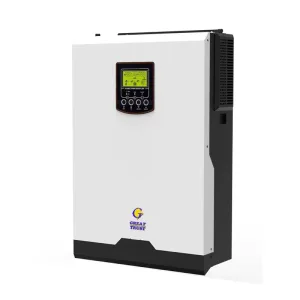
Find the right solar Inverters for you

solar Inverters

that have you covered

NOW ON SALE

100% Quality Assured

Show
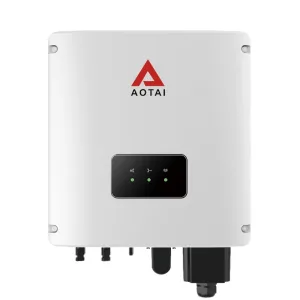
AOTAI Hybrid Inverters
Price range: KSh 125,400.00 through KSh 277,200.00 Select options This product has multiple variants. The options may be chosen on the product page
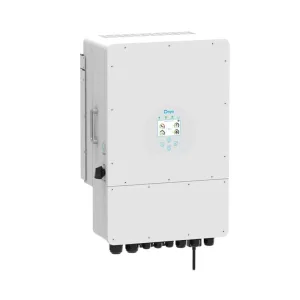
DEYE Hybrid Inverter
Price range: KSh 132,000.00 through KSh 818,400.00 Select options This product has multiple variants. The options may be chosen on the product page
Growatt Hybrid Inverter
Price range: KSh 92,400.00 through KSh 99,000.00 Select options This product has multiple variants. The options may be chosen on the product page
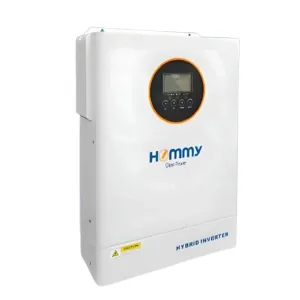
Hober Solar Hybrid Inverter
Price range: KSh 55,440.00 through KSh 264,000.00 Select options This product has multiple variants. The options may be chosen on the product page
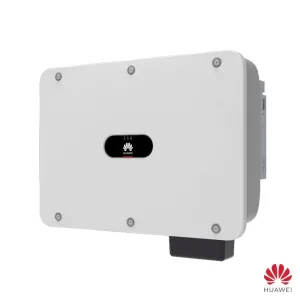
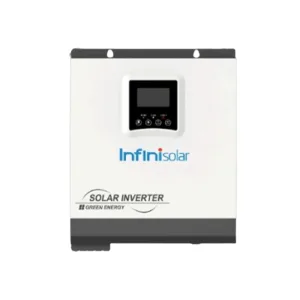
Hommy Hybrid Inverters
Price range: KSh 31,680.00 through KSh 49,500.00 Select options This product has multiple variants. The options may be chosen on the product page
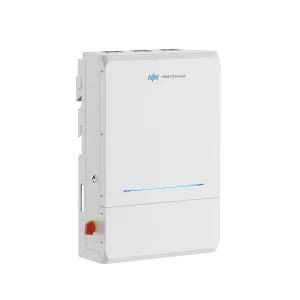
Infini Hybrid Inverter
Price range: KSh 31,680.00 through KSh 66,000.00 Select options This product has multiple variants. The options may be chosen on the product page
Ingesola Hybrid Inverter
Price range: KSh 356,400.00 through KSh 488,400.00 Select options This product has multiple variants. The options may be chosen on the product page
TBB RIIO Inverter charger
Price range: KSh 63,360.00 through KSh 72,600.00 Select options This product has multiple variants. The options may be chosen on the product page
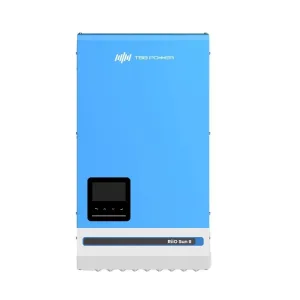
TBB RIIO SUN II Hybrid Inverter
Price range: KSh 76,560.00 through KSh 184,800.00 Select options This product has multiple variants. The options may be chosen on the product page

Shop Solar Inverters in Kenya

Find reliable solar inverters for residential, commercial and off-grid power systems at Wayad Connect. A solar inverter converts direct-current electricity generated by solar panels or stored in batteries into alternating-current electricity that can power household appliances, office equipment and other electrical devices. Whether you are installing a new solar system, upgrading an existing setup or replacing an older inverter, Wayad Connect offers solar inverter options for different power requirements and system configurations across Kenya.

Types of Solar Inverters Available

Solar inverters are available in different designs depending on whether the system operates independently, alongside the national electricity grid or with battery storage.

Off-Grid Solar Inverters

Off-grid solar inverters are designed for systems that can operate independently of the national grid. They are commonly used with solar panels and batteries to provide electricity in areas with limited or unreliable grid access. Off-grid inverters may be suitable for:
  • Homes in remote locations
  • Farms and rural properties
  • Lodges and camps
  • Security installations
  • Water-pumping systems
  • Small offices
  • Backup power systems
  • Telecommunications sites
When choosing an off-grid inverter, consider its power rating, battery voltage, solar-input capacity and supported charging current.

Hybrid Solar Inverters

Hybrid solar inverters manage electricity from solar panels, batteries and the grid. Depending on the model and configuration, they can charge batteries, power connected appliances and switch between available energy sources. Hybrid inverters are suitable for customers who want to:
  • Use solar power during the day
  • Store energy in batteries
  • Maintain backup power during outages
  • Reduce dependence on grid electricity
  • Manage several power sources automatically
Before purchasing, confirm that the hybrid inverter is compatible with the selected battery technology and communication system.

Grid-Tied Solar Inverters

Grid-tied inverters convert solar energy into electricity that can be used alongside the available grid supply. They are commonly used in systems designed to reduce electricity consumption during daylight hours. A standard grid-tied inverter normally requires an active grid connection and may stop supplying power during an outage. Backup operation generally requires a compatible hybrid system or additional equipment designed for energy storage.

What Is a Solar Panel Inverter?

A solar panel inverter receives direct-current electricity from solar panels and converts it into alternating-current electricity that can be used by compatible appliances and electrical systems. The inverter also helps manage important parts of the solar installation, which may include:
  • Solar-panel input
  • Battery charging
  • Grid charging
  • Load supply
  • System monitoring
  • Electrical protection
  • Energy-source switching
The available functions depend on the inverter type and model.

Solar Energy Inverters for Homes

A correctly sized solar energy inverter can support essential household equipment such as:
  • Lighting
  • Televisions
  • Wi-Fi routers
  • Phone chargers
  • Laptops
  • Refrigerators
  • CCTV cameras
  • Access control systems
  • Selected household appliances
The inverter size required will depend on the total wattage of the appliances operating at the same time. High-consumption equipment such as electric cookers, water heaters, air conditioners, pumps and irons may require a larger inverter and battery system.

Solar Inverters for Businesses

Businesses can use solar inverters to support:
  • Office computers
  • Internet equipment
  • Lighting
  • Point-of-sale systems
  • CCTV systems
  • Communication equipment
  • Refrigeration
  • Small machinery
  • Essential business operations
Commercial installations require careful load calculations because equipment may operate for longer periods and may have higher starting-power requirements.

How to Choose the Right Solar Inverter

Consider the following factors before purchasing a solar inverter:
  • Total connected appliance load
  • Maximum simultaneous power demand
  • Starting power required by motors
  • Off-grid, hybrid or grid-tied configuration
  • Solar-panel capacity
  • Battery voltage
  • Battery technology
  • Required backup duration
  • Charging current
  • Single-phase or three-phase supply
  • Monitoring features
  • Future system expansion
  • Installation environment
The inverter should have enough continuous power to operate the connected equipment and sufficient surge capacity for appliances that require additional power when starting.

Understanding Solar Inverter Capacity

Solar inverter capacity is normally stated in watts, kilowatts or volt-amperes. The inverter should be selected according to the combined power requirements of all appliances that may operate at the same time. For example, the inverter must account for:
  • Normal appliance wattage
  • Starting power for refrigerators and pumps
  • Additional future loads
  • Battery-charging requirements
  • System efficiency losses
Selecting an inverter that is too small may cause overloads, shutdowns or poor system performance.

Solar Panel Compatibility

The total solar-panel capacity should remain within the inverter’s supported input limits. Before connecting solar panels, check:
  • Maximum solar-input power
  • MPPT voltage range
  • Maximum open-circuit voltage
  • Number of MPPT inputs
  • Maximum input current
  • Panel-string configuration
  • Cable and connector requirements
Connecting an unsuitable solar array may prevent the inverter from operating correctly or may damage the equipment.

Solar Battery Compatibility

Battery-based solar inverters must be compatible with the selected battery voltage and technology. Common battery options include:
  • Lithium batteries
  • Lead-acid batteries
  • Lead-carbon batteries
  • Telecom batteries
  • Deep-cycle batteries
Before purchasing, confirm:
  • Battery voltage
  • Charging voltage
  • Maximum charging current
  • Discharge-current limits
  • Communication protocol
  • Battery management system compatibility
  • Recommended inverter settings
Matching the voltage alone does not always guarantee compatibility, particularly with lithium batteries that require inverter communication.

Pure Sine Wave Solar Inverters

Pure sine wave inverters produce an electrical output designed to operate a wide range of household and commercial appliances. They may be suitable for sensitive equipment such as:
  • Computers
  • Televisions
  • Refrigerators
  • Communication equipment
  • Medical equipment
  • Audio systems
  • Motor-driven appliances
Check the individual product specifications to confirm the inverter’s waveform and supported applications.

MPPT Technology in Solar Inverters

Many modern solar inverters include Maximum Power Point Tracking technology. MPPT helps the inverter manage solar-panel output under changing sunlight and temperature conditions. When comparing MPPT solar inverters, consider:
  • Number of MPPT inputs
  • Supported voltage range
  • Maximum solar-input power
  • Maximum charging current
  • Panel-string requirements
Multiple MPPT inputs can be useful where solar panels are installed on different roof sections or face different directions.

Solar Inverter Monitoring

Some solar inverters support monitoring through a built-in screen, mobile application, Wi-Fi connection or online platform. Monitoring features may show:
  • Solar power generation
  • Battery charge level
  • Appliance load
  • Grid availability
  • Energy consumption
  • Charging status
  • System warnings
  • Fault notifications
Available monitoring features vary between brands and models.

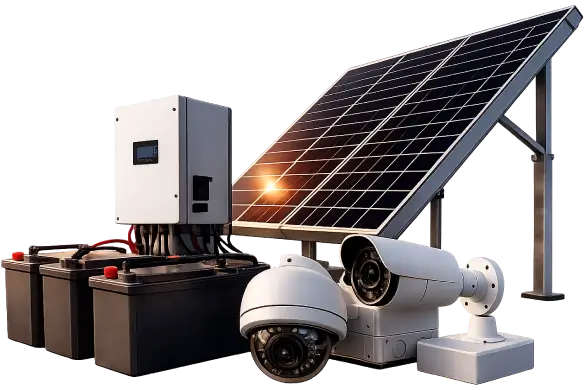
Equipment Required for a Solar Inverter System

A complete solar installation may require:
  • Solar panels
  • Solar inverter
  • Solar batteries
  • Solar cables
  • Battery cables
  • Mounting equipment
  • Circuit breakers
  • Isolators
  • Fuses
  • Surge protection
  • Distribution equipment
  • Earthing accessories
  • Monitoring equipment
All components should be selected to work together safely and efficiently.

Professional Solar Inverter Installation

Solar inverters should be installed and configured by a qualified solar technician or electrician. Professional installation can help ensure:
  • Correct inverter sizing
  • Suitable battery settings
  • Proper solar-panel configuration
  • Correct cable sizes
  • Appropriate circuit protection
  • Secure equipment mounting
  • Proper ventilation
  • Safe earthing
  • Correct grid connections
  • Reliable backup operation
  • Complete system testing
The inverter should be installed in a dry, ventilated location away from excessive heat, moisture and direct sunlight.

Maintaining a Solar Inverter

To support reliable inverter operation:
  • Keep the installation area clean and ventilated
  • Avoid blocking cooling vents
  • Inspect cables and terminals regularly
  • Monitor warning messages
  • Avoid overloading the inverter
  • Use compatible batteries
  • Follow recommended charging settings
  • Check circuit protection devices
  • Update software where supported
  • Arrange professional inspection when faults occur
Do not open or repair an inverter unless you are qualified and authorised to do so.

Buy Solar Inverters from Wayad Connect

Shop solar inverters in Kenya from Wayad Connect. Explore off-grid, hybrid and grid-tied inverter options for homes, offices, farms and commercial properties. Compare inverter capacity, solar-input limits, battery compatibility, charging features and monitoring options before ordering. Professional load assessment and installation are recommended to ensure that the inverter, solar panels, batteries and connected appliances work together correctly.

Frequently Asked Questions

What does a solar inverter do?

A solar inverter converts direct-current electricity from solar panels or batteries into alternating-current electricity used by household and commercial appliances.

Which solar inverter is best for home use?

The best inverter depends on the appliances to be powered, required backup time, solar-panel capacity, battery type and whether the system will be off-grid, hybrid or grid-tied.

Can a solar inverter work without batteries?

Grid-tied inverters can operate without batteries when an active grid supply is available. Off-grid and backup systems generally require compatible battery storage.

What size solar inverter do I need?

Calculate the total wattage of appliances that may operate simultaneously and include the additional starting power required by refrigerators, pumps and other motor-driven equipment.

Can any battery work with a solar inverter?

No. The battery voltage, charging requirements, discharge limits and communication system must be compatible with the inverter.

What is the difference between a hybrid and off-grid inverter?

An off-grid inverter is designed to operate independently of the grid, while a hybrid inverter can manage solar panels, batteries and grid electricity within one system.

Should a solar inverter be professionally installed?

Yes. Professional installation helps ensure correct sizing, safe wiring, suitable protection and proper configuration of the inverter, batteries and solar panels.