
Shop Electrical Distribution and Control Equipment in Kenya
Find dependable
electrical distribution and control products for residential, commercial and industrial installations at Wayad Connect. This category includes equipment used to distribute electricity, protect electrical circuits and control the operation of connected devices and machinery.
Whether you are completing a new electrical installation, upgrading an existing distribution system or replacing damaged components, selecting the correct equipment is essential for safe and reliable power management.
Wayad Connect provides electrical distribution and control solutions for electricians, contractors, property developers, technicians, facility managers and homeowners across Kenya.
What Is Electrical Distribution and Control Equipment?
Electrical distribution equipment directs electricity from the main power supply to individual circuits within a building or facility. Electrical control equipment helps switch, regulate, isolate or automate the operation of those circuits.
A complete electrical distribution system may include:
- Distribution boards
- Consumer units
- Circuit breakers
- Fuses
- Isolator switches
- Residual current protection devices
- Contactors
- Relays
- Timers
- Control switches
- Electrical enclosures
- Surge protection devices
The products required will depend on the electrical load, number of circuits, installation environment and level of protection needed.
Distribution Boards and Consumer Units
Distribution boards divide the incoming electrical supply into separate circuits for lighting, sockets, appliances, machinery and other equipment. Each circuit is normally protected by a suitable circuit breaker or fuse.
When selecting a distribution board, consider:
- Number of available ways
- Single-phase or three-phase supply
- Indoor or outdoor installation
- Required enclosure protection
- Type of circuit protection
- Available space for future circuits
- Compatibility with installed electrical devices
A properly selected distribution board helps organise electrical circuits and makes inspection, isolation and maintenance easier.
Circuit Breakers and Electrical Protection
Circuit protection devices help disconnect electricity when abnormal conditions occur, such as overloads, short circuits or current leakage.
Common circuit protection products include:
Miniature Circuit Breakers
Miniature circuit breakers are commonly used to protect lighting, socket and appliance circuits against overloads and short circuits.
Residual Current Devices
Residual current devices help reduce the risk of electric shock by disconnecting the power supply when electrical leakage is detected.
Moulded Case Circuit Breakers
Moulded case circuit breakers are generally used in installations that require higher current ratings or more advanced circuit protection.
Fuses
Electrical fuses contain an element designed to break the circuit when excessive current flows. The fuse rating must match the circuit and equipment being protected.
Always check the voltage rating, current rating, breaking capacity and number of poles before choosing a protection device.
Isolators and Control Switches
Electrical isolators allow a circuit or piece of equipment to be disconnected from the power supply for inspection, maintenance or repair.
They are commonly used with:
- Distribution boards
- Machinery
- Air-conditioning systems
- Water pumps
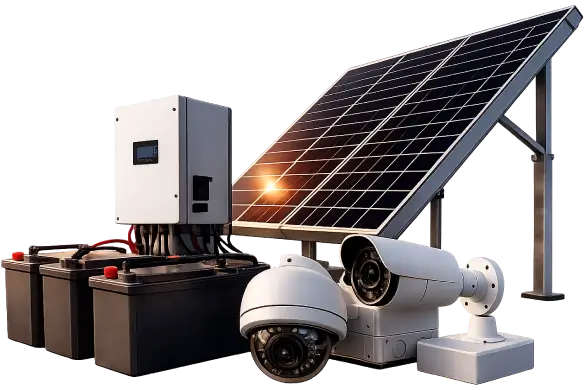
- Solar equipment
- Commercial appliances
- Industrial installations
The correct isolator should be selected according to the current rating, number of poles, installation location and type of electrical system.
Contactors, Relays and Timers
Contactors and relays are used to switch electrical loads through a control circuit. They are often found in motor control systems, lighting systems, pumps, heating equipment and automated electrical installations.
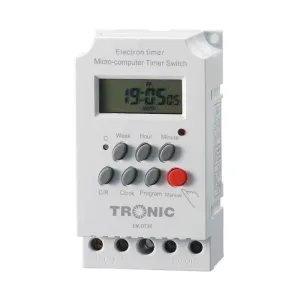
Electrical timers can be used to turn equipment on or off at predetermined times. They may be suitable for lighting, signage, water pumps, security equipment and other scheduled applications.
When selecting electrical control components, confirm:
- Operating voltage
- Load rating
- Number of poles or contacts
- Control voltage
- Switching requirements
- Installation method
- Compatibility with connected equipment
Electrical Distribution and Control Applications
Electrical distribution and control products can be used in many settings, including:
- Residential homes and apartments
- Office buildings
- Retail shops and supermarkets
- Hotels and restaurants
- Schools and institutions
- Hospitals and clinics
- Warehouses and factories
- Commercial buildings
- Water pumping systems
- Solar and backup power installations
- Industrial machinery systems
The equipment required for a small residential installation may be different from that needed for a commercial building or industrial facility.
How to Choose the Right Equipment
Before purchasing electrical distribution and control products, consider the design and requirements of the electrical system.
Important factors include:
- Supply voltage
- Single-phase or three-phase power
- Maximum electrical load
- Number of circuits
- Required current rating
- Short-circuit protection
- Leakage protection
- Indoor or outdoor use
- Enclosure size and protection rating
- Compatibility with existing components
- Installation and maintenance requirements
Electrical equipment should not be selected based on appearance or price alone. Incorrectly rated equipment may fail to provide suitable protection or may not operate correctly with the connected load.
A qualified electrician should assess the installation and identify the appropriate distribution, protection and control devices.
Why Electrical Circuit Protection Matters
Circuit protection helps reduce the risks associated with excessive current, electrical faults and equipment failure. Proper protection can also help limit damage to cables, appliances and connected machinery.
A reliable electrical distribution system should provide:
- Clear separation of circuits
- Appropriate overload protection
- Short-circuit protection
- Safe circuit isolation
- Easy access for inspection
- Space for organised wiring
- Correctly rated electrical components
Regular inspection and maintenance are also important, especially in commercial and industrial installations where electrical loads may change over time.
Buy Electrical Distribution and Control Products from Wayad Connect
Shop electrical distribution and control equipment in Kenya from Wayad Connect. Browse available distribution boards, circuit breakers, fuses, isolators, contactors, timers and other electrical control components for different installation requirements.
Compare product ratings, dimensions, supply requirements and compatibility before placing your order. All electrical distribution and control equipment should be installed and tested by a qualified electrician.
Frequently Asked Questions
What is an electrical distribution board?
An electrical distribution board receives electricity from the main power supply and distributes it to separate circuits. It normally contains circuit breakers or other protective devices for each circuit.
What is the difference between a fuse and a circuit breaker?
A fuse breaks the circuit by melting when excessive current flows and normally needs to be replaced. A circuit breaker trips during an electrical fault and can usually be reset after the problem has been corrected.
How do I choose the correct circuit breaker?
The correct circuit breaker depends on the cable size, electrical load, voltage, number of phases and type of equipment being protected. A qualified electrician should confirm the appropriate rating.
What is an electrical isolator used for?
An isolator disconnects a circuit or equipment from the power supply so that maintenance or repair work can be performed more safely.
What are electrical contactors used for?
Contactors are electrically controlled switches commonly used to operate motors, pumps, lighting systems, heating equipment and other high-power electrical loads.
Can electrical distribution equipment be installed outdoors?
Only equipment designed for outdoor use or installed inside an appropriately rated weather-resistant enclosure should be placed outdoors.