Shop Solar Water Pumps in Kenya
Pump water efficiently using dependable
solar water pumps from Wayad Connect. Our range includes solar-powered pumping solutions for boreholes, wells, irrigation systems, livestock watering, domestic water supply, farms and commercial water projects.
A solar-powered water pump uses electricity generated by solar panels to move water from a source to a storage tank, irrigation system or point of use. This makes solar pumping suitable for locations where grid electricity is unavailable, unreliable or expensive to extend.
Whether you are developing a borehole, improving irrigation or supplying water to a remote property, Wayad Connect offers solar water pump options for different water sources, pumping depths and daily water requirements across Kenya.
What Is a Solar-Powered Water Pump?
A
solar-powered water pump is an electric pumping system powered partly or entirely by energy generated from solar panels.
A complete solar water-pumping system may include:
- Solar panels
- Solar electric water pump
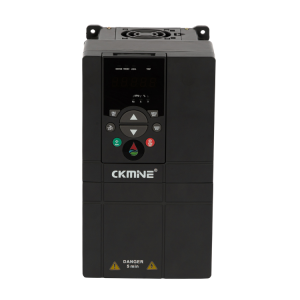
- Solar pump inverter or controller
- Solar cables
- Pump cables
- Water-level sensors
- Dry-run protection
- Pipes and fittings
- Storage tank
- Circuit breakers and isolators
- Surge protection
- Mounting equipment
The required components depend on the pump type, motor design, pumping depth and installation conditions.
How Solar Water Pumps Work
Solar panels generate direct-current electricity when exposed to sunlight. This electricity is supplied to a compatible pump controller, inverter or DC pump motor.
Depending on the system design, the solar power may:
- Operate the pump directly during daylight hours
- Be converted into AC power for a compatible pump
- Adjust pump speed according to available sunlight
- Fill a water-storage tank for later use
- Work with grid or generator power where supported
- Use batteries where night-time pumping is necessary
Many solar pumping systems use water storage instead of battery storage. Water is pumped into a raised tank during daylight hours and then distributed later through gravity.
Types of Solar Water Pumps
Solar water pumps are available in different designs for various water sources and pumping requirements.
Solar Submersible Pumps
Submersible pumps operate below the water level and are commonly installed inside boreholes, deep wells and underground water sources.
They may be suitable for:
- Borehole water supply
- Deep-well pumping
- Farm irrigation
- Livestock watering
- Domestic water storage
- Schools and institutions
- Hotels and lodges
- Remote commercial properties
When selecting a submersible pump, consider the borehole depth, water level, pump diameter, required flow rate and total pumping head.
Solar Surface Water Pumps
Surface pumps are installed above the water source and draw water through an inlet pipe.
They may be suitable for:
- Shallow wells
- Rivers
- Dams
- Ponds
- Water-storage tanks
- Irrigation channels
- Water-transfer applications
The pump must remain within its supported suction depth. Surface pumps are generally unsuitable for drawing water from very deep sources.
DC Solar Water Pumps
A DC
solar electric water pump can use direct-current electricity from compatible solar panels or a controller.
DC solar pumps may be suitable for smaller domestic, agricultural and remote water applications.
Before purchasing, confirm:
- Pump operating voltage
- Solar panel requirements
- Maximum pumping head
- Supported flow rate
- Controller compatibility
- Cable-distance limits
AC Solar Water Pumps
AC pumps require alternating-current electricity and are normally operated through a compatible solar pump inverter.
They can be used in larger borehole, irrigation, agricultural and commercial applications.
The inverter must match the pump motor’s voltage, phase, power and current requirements.
Solar Water Pumps for Boreholes
Solar borehole pumps can move underground water into storage tanks or distribution systems.
They may be used for:
- Residential water supply
- Farm irrigation
- Livestock troughs
- Schools
- Clinics
- Hotels
- Remote settlements
- Commercial water projects
Before selecting a borehole pump, determine:
- Borehole depth
- Static water level
- Pumping water level
- Borehole diameter
- Required water volume
- Vertical pumping distance
- Horizontal pipe distance
- Storage-tank height
- Pipe size
The total pumping head must be calculated accurately to ensure the pump can deliver the required water.
Solar Water Pumps for Irrigation
Solar-powered water pumps can support different agricultural irrigation systems.
Common applications include:
- Drip irrigation
- Sprinkler irrigation
- Greenhouses
- Vegetable farms
- Orchards
- Tree nurseries
- Water transfer
- Filling irrigation tanks
- Small and medium-scale farming
The pump should be selected according to the required daily water volume, irrigation pressure, pumping head and available sunlight.
Drip irrigation may require different pressure and flow characteristics from sprinkler irrigation. The complete system should therefore be designed according to the chosen irrigation method.
Solar Pumps for Livestock Watering
Solar water pumps can help supply water for cattle, goats, sheep, poultry and other livestock.
They may be used to:
- Fill livestock troughs
- Pump water to elevated tanks
- Supply dairy facilities
- Transfer water between reservoirs
- Support cleaning and farm operations
- Supply remote grazing areas
The system should be sized according to the number of animals, daily water consumption, climate and required reserve capacity.
Solar Water Pumps for Homes
A solar-powered water pump can supply water to homes and residential compounds from:
- Boreholes
- Wells
- Underground tanks
- Rivers
- Dams
- Water reservoirs
The water can be pumped to a raised storage tank and distributed to kitchens, bathrooms, laundry areas and outdoor taps.
The pump capacity should match the household’s daily water requirements, storage-tank size and pumping distance.
Solar Water Pumps for Businesses and Institutions
Solar water pumps can support water supply for:
- Schools
- Hospitals and clinics
- Hotels and lodges
- Apartment developments
- Commercial farms
- Factories
- Construction sites
- Office compounds
- Remote facilities
- Community water projects
Commercial and institutional installations may require higher-capacity pumps, larger solar arrays and more advanced monitoring or protection systems.
Understanding Pumping Head
Pumping head refers to the total height and resistance against which the pump must move water.
It may include:
- Vertical distance from the water level
- Height of the storage tank
- Horizontal pipe resistance
- Pipe diameter
- Bends and fittings
- Required outlet pressure
A pump with insufficient head capacity may deliver little water or fail to reach the storage tank.
Always compare the required total head with the pump’s performance curve rather than selecting a pump based only on motor power.
Understanding Water Flow Rate
Flow rate describes the amount of water a pump can deliver within a given period.
It may be stated in:
- Litres per minute
- Litres per hour
- Cubic metres per hour
- Cubic metres per day
The required flow rate depends on:
- Daily water demand
- Number of operating hours
- Storage-tank capacity
- Irrigation requirements
- Borehole recovery rate
- Livestock consumption
- Household or commercial use
A higher advertised flow rate may decrease as the pumping head increases.
Choosing the Correct Solar Water Pump
Consider the following factors before purchasing:
- Water source
- Borehole or well depth
- Required total pumping head
- Daily water requirement
- Required flow rate
- Pump type
- Motor voltage and phase
- Pipe diameter
- Horizontal pumping distance
- Solar panel capacity
- Pump-controller requirements
- Available sunlight
- Storage-tank size
- Future expansion needs
A professional borehole or water-system assessment is recommended before selecting the pump.
Solar Panel Requirements
The solar panels must generate enough electricity to start and operate the pump under normal sunlight conditions.
The required solar-panel capacity depends on:
- Pump motor power
- Operating voltage
- Pump inverter requirements
- Maximum input voltage
- MPPT voltage range
- Expected operating hours
- Available sunlight
- Seasonal weather conditions
The total panel voltage and current must remain within the controller or inverter’s supported input limits.
Incorrect panel configuration may prevent the pump from starting or damage the equipment.
Solar Pump Controllers and Inverters
Some solar water pumps use a dedicated controller, while AC pumps may require a solar pump inverter.
Depending on the system, the controller or inverter may provide:
- Motor-speed control
- Soft starting
- Solar power conversion
- MPPT operation
- Dry-run protection
- Overload protection
- Water-level sensor inputs
- Tank-full control
- Grid or generator support
- Fault monitoring
The pump, controller and inverter must be compatible.
Dry-Run Protection
Dry running occurs when a pump operates without enough water. This can cause overheating, wear and permanent pump damage.
Dry-run protection may use:
- Borehole water-level sensors
- Current monitoring
- Flow sensors
- Pressure sensors
- Well probes
- Pump-controller programming
When low-water conditions are detected, the system may stop the pump and restart it after water levels recover.
Water-Level and Tank Sensors
Water-level sensors can automate pump operation and help prevent overflow or dry running.
A tank sensor may:
- Start the pump when the tank level is low
- Stop the pump when the tank is full
- Reduce unnecessary operation
- Help prevent tank overflow
A borehole or source sensor may stop the pump when the water level becomes too low.
Confirm sensor compatibility with the selected pump controller.
Battery-Free Solar Pumping Systems
Many solar water pumps can operate without batteries by pumping water only during daylight hours.
The water is stored in a tank and used later when required.
Battery-free systems may offer:
- Fewer energy-storage components
- Lower battery replacement requirements
- Simpler system maintenance
- Direct use of available solar energy
- Effective daytime pumping
However, the tank should be large enough to store the required water for evenings, cloudy conditions and periods of high demand.
Solar Pumps with Battery Backup
Selected smaller pumps or specialised systems may support battery operation.
Battery storage may be considered where:
- Water is required at night
- Pumping must continue during low sunlight
- Automatic pressure systems are used
- The installation serves critical applications
The battery, controller and pump must be designed to work together. Battery-supported pumping systems require careful energy calculations because pumps can consume significant power.
Grid and Generator Support
Some solar pump controllers can accept electricity from the grid or a generator when solar power is insufficient.
This may be useful during:
- Prolonged cloudy weather
- High water demand
- Emergency pumping
- Night-time operation
- Seasonal changes in sunlight
Before connecting another power source, confirm the supported voltage, frequency, phase and switching requirements.
Installing Solar Water Pumps
Installation should be completed by qualified solar and water-pump technicians.
Professional installation can help ensure:
- Correct pump selection
- Accurate head calculations
- Suitable solar-panel sizing
- Correct pump depth
- Appropriate cable sizes
- Secure pipe connections
- Correct controller settings
- Proper sensor placement
- Suitable circuit protection
- Effective earthing
- Complete system testing
Submersible pumps should be suspended using approved equipment rather than relying on the electrical cable or water pipe alone.
Maintaining Solar Water Pumps
To support dependable operation:
- Inspect solar panels regularly
- Keep panels clean
- Monitor water output
- Check pipes for leaks
- Inspect cables and connections
- Keep controllers ventilated and dry
- Check water-level sensors
- Monitor system fault codes
- Avoid operating beyond the pump’s limits
- Arrange professional servicing when performance decreases
Changes in water output may be caused by reduced sunlight, falling borehole levels, pipe leaks, blocked filters, worn pump components or electrical faults.
Buy Solar Water Pumps from Wayad Connect
Shop solar water pumps in Kenya from Wayad Connect. Explore solar-powered water pump solutions for boreholes, irrigation, farms, livestock watering, homes and commercial water projects.
Compare pump power, flow rate, maximum head, operating voltage, solar-panel requirements and controller compatibility before ordering. Professional site assessment and installation are recommended to ensure that the pump, solar panels, controller, pipes and storage system work together correctly.
Frequently Asked Questions
What is a solar water pump?
A solar water pump uses electricity generated by solar panels to move water from a borehole, well, tank, river, dam or another suitable water source.
Can a solar water pump operate without batteries?
Yes. Many systems pump water directly during daylight hours and store it in a tank for later use.
Can solar water pumps work in boreholes?
Yes. Compatible submersible solar pumps can be installed in boreholes when correctly sized for the depth, water level and required pumping head.
How many solar panels does a water pump need?
The number depends on the pump motor power, operating voltage, controller requirements, panel wattage and available sunlight.
What is the difference between a surface and submersible pump?
A surface pump is installed above the water source and is suitable for shallower suction depths. A submersible pump operates below the water level and is commonly used in boreholes and deep wells.
How do I choose the right solar water pump?
Determine the water source, pumping depth, total head, required flow rate, daily water demand and solar-panel requirements. Professional sizing is recommended.
Can a solar water pump work during cloudy weather?
It may continue operating at a lower output when sunlight is reduced. Performance depends on the solar array, controller, weather conditions and system design.