Shop Lead-Carbon Batteries in Kenya
Find dependable
lead-carbon batteries for solar energy storage, inverter backup systems, telecommunications equipment and other power applications at Wayad Connect. These rechargeable batteries are designed for applications that require regular charging and discharging, reliable power storage and dependable backup performance.
Whether you are installing a new solar system, replacing an existing battery or increasing your backup power capacity, Wayad Connect offers lead-carbon battery options for residential, commercial and off-grid energy systems in Kenya.
What Are Lead-Carbon Batteries?
Lead-carbon batteries are a type of rechargeable battery based on lead-acid technology with carbon materials incorporated into the battery’s negative electrode design. The addition of carbon helps improve charge acceptance and cycling performance in applications where the battery is regularly charged and discharged.
They are commonly considered for solar and backup systems that experience frequent power interruptions, partial charging or repeated daily use.
Lead-carbon batteries may be used in:
- Solar power systems
- Inverter backup installations
- Telecommunications equipment
- Security and CCTV systems
- Uninterruptible power supplies
- Off-grid energy systems
- Commercial backup installations
- Remote power applications
The suitability of a battery will depend on its voltage, capacity, charging requirements and compatibility with the connected inverter or charge controller.
Lead-Carbon Batteries for Solar Systems
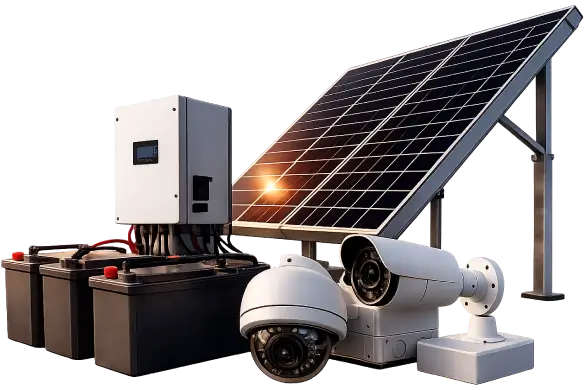
Lead-carbon batteries can store electricity generated by solar panels for use at night, during periods of limited sunlight or when the main electricity supply is unavailable.
A typical solar energy system may include:
- Solar panels
- A solar inverter
- A charge controller
- Lead-carbon batteries
- Battery cables
- Circuit protection equipment
- Monitoring devices
The solar panels and charging equipment should be properly sized to recharge the battery bank within the available sunlight hours.
Before purchasing, confirm that the inverter or charge controller supports the charging settings recommended for the selected lead-carbon battery.
Lead-Carbon Batteries for Inverter Backup
Lead-carbon batteries can be connected to compatible inverters to provide temporary electricity during power outages.
Depending on the battery capacity and inverter rating, the system may support:
- Lighting
- Wi-Fi routers
- Televisions
- Computers
- CCTV cameras
- Access control systems
- Point-of-sale equipment
- Communication devices
- Selected household appliances
The backup time will depend on the total electrical load, battery capacity, battery condition and inverter efficiency.
High-consumption appliances such as electric cookers, water heaters, air conditioners and large pumps may require a significantly larger inverter and battery bank.
Advantages of Lead-Carbon Battery Technology
Lead-carbon batteries may provide several advantages in suitable solar and backup applications.
These may include:
- Improved charge acceptance
- Better performance during frequent charging and discharging
- Reduced sensitivity to partial-state-of-charge operation
- Suitability for solar and inverter backup applications
- Sealed or low-maintenance designs on selected models
- Compatibility with selected lead-acid charging systems
- Reliable energy storage for homes and businesses
Performance varies between manufacturers and battery models. Always review the individual product specifications before purchasing.
Lead-Carbon vs Conventional Lead-Acid Batteries
Lead-carbon and conventional lead-acid batteries use similar basic battery technology, but lead-carbon batteries incorporate carbon materials to improve selected operating characteristics.
Compared with some conventional lead-acid batteries, lead-carbon options may offer improved charge acceptance and better cycling performance, particularly in systems where the battery is not always fully recharged before being used again.
However, the best choice depends on:
- Expected frequency of use
- Required backup duration
- Charging equipment
- Available budget
- System operating conditions
- Maintenance requirements
- Inverter compatibility
A qualified solar technician can help determine which battery technology is most appropriate for the installation.
Understanding Battery Capacity
Lead-carbon battery capacity is commonly stated in ampere-hours, while some products may also show their energy capacity in kilowatt-hours.
The amount of usable energy depends on:
- Battery voltage
- Rated capacity
- Recommended depth of discharge
- Connected electrical load
- Inverter efficiency
- Battery temperature
- Age and condition of the battery
A larger ampere-hour rating generally provides more stored energy, but actual backup time will vary according to the equipment connected to the system.
How to Choose a Lead-Carbon Battery
Consider the following factors before purchasing a lead-carbon battery:
- Required system voltage
- Battery capacity
- Total connected load
- Required backup duration
- Inverter compatibility
- Charge-controller compatibility
- Recommended charging voltage
- Maximum charging current
- Depth-of-discharge recommendations
- Expected frequency of use
- Available installation space
- Future expansion requirements
The battery should match the voltage and charging requirements of the inverter or solar system.
Do not select a battery based only on its ampere-hour rating. The electrical load, required operating time and inverter efficiency must also be considered.
Calculating the Required Battery Capacity
To estimate the battery capacity required, identify:
- All appliances that need backup power
- The wattage of each appliance
- How long each appliance will operate
- Which appliances will run at the same time
- The required number of backup hours
- The inverter’s efficiency
- The recommended battery discharge limit
For example, a system intended to power lights, internet equipment and a television will require less storage than one powering refrigerators, pumps or commercial equipment.
A professional load assessment can help prevent purchasing a battery system that is too small or unnecessarily large.
Connecting Multiple Lead-Carbon Batteries
Some energy systems allow several lead-carbon batteries to be connected together to increase the operating voltage or total storage capacity.
When building a battery bank:
- Use batteries of the same model and technology
- Use batteries with matching voltage and capacity
- Avoid mixing old and new batteries
- Follow the recommended series or parallel configuration
- Use correctly sized battery cables
- Install suitable fuses, breakers or isolators
- Confirm the inverter’s supported battery limits
- Keep connections secure and balanced
Incorrect battery connections may cause uneven charging, reduced capacity or premature battery failure.
Charging Lead-Carbon Batteries
Lead-carbon batteries should be charged using an inverter, charger or solar charge controller with suitable charging settings.
Important charging considerations include:
- Recommended charging voltage
- Maximum charging current
- Battery-bank voltage
- Temperature conditions
- Charging stages
- Manufacturer specifications
Incorrect charging settings can reduce battery performance and shorten its service life.
Avoid assuming that every charger designed for a conventional lead-acid battery is automatically suitable. Confirm the charging requirements of the specific lead-carbon battery model.
Installation and Safety
Lead-carbon batteries should be installed in a secure, dry and ventilated area away from direct sunlight, excessive heat, moisture and open flames.
A safe installation should include:
- Correctly sized battery cables
- Secure terminal connections
- Correct battery polarity
- Suitable circuit protection
- Protection against accidental short circuits
- Adequate equipment spacing
- Stable battery mounting
- Appropriate ventilation
- Manufacturer-recommended inverter settings
Battery installation should be completed by a qualified solar technician or electrician.
Maintaining Lead-Carbon Batteries
Maintenance requirements vary depending on the battery design. Many lead-carbon batteries are sealed and require limited routine maintenance, but the installation should still be inspected regularly.
Good maintenance practices include:
- Keeping battery terminals clean and secure
- Inspecting cables for heat or damage
- Avoiding unnecessary deep discharge
- Charging the battery promptly after use
- Keeping the installation area clean and dry
- Monitoring battery voltage and performance
- Using compatible charging settings
- Checking for swelling, leakage or casing damage
- Following the manufacturer’s storage instructions
A damaged, swollen or leaking battery should not continue to be used.
Lead-Carbon Batteries for Homes and Businesses
Lead-carbon batteries may support energy-storage and backup systems in:
- Homes and apartments
- Offices
- Retail shops
- Schools
- Hotels and lodges
- Clinics
- Warehouses
- Farms
- Telecommunications sites
- Security installations
- Remote properties
- Commercial buildings
The appropriate battery capacity will depend on the equipment being powered and the required operating time.
Buy Lead-Carbon Batteries from Wayad Connect
Shop lead-carbon batteries in Kenya from Wayad Connect. Compare available battery capacities, voltages, charging requirements and intended applications to find a suitable option for your solar, inverter or backup power system.
Before ordering, confirm that the battery is compatible with your inverter, charge controller and electrical load. Professional system sizing and installation are recommended for reliable performance.
Frequently Asked Questions
What is a lead-carbon battery?
A lead-carbon battery is a rechargeable battery based on lead-acid technology that incorporates carbon materials into its negative electrode design to improve selected charging and cycling characteristics.
Can lead-carbon batteries be used for solar systems?
Yes. Lead-carbon batteries can store electricity generated by solar panels when connected to a compatible inverter or charge controller.
Are lead-carbon batteries suitable for inverter backup?
Yes, provided the battery voltage, capacity and charging requirements are compatible with the inverter.
What is the difference between lead-carbon and lead-acid batteries?
Lead-carbon batteries incorporate carbon materials that may improve charge acceptance and cycling performance compared with some conventional lead-acid designs.
How long can a lead-carbon battery provide backup power?
Backup duration depends on the battery’s usable capacity, the connected electrical load, inverter efficiency, battery condition and recommended discharge level.
Can I connect several lead-carbon batteries together?
Yes, when supported by the inverter and battery manufacturer. Use matching batteries and follow the recommended series or parallel connection method.
Do lead-carbon batteries require maintenance?
Many models are sealed and require limited routine maintenance. However, cables, terminals, charging settings and battery condition should still be inspected regularly.