Professional Solutions
Premium products at an affordable price

Find the right Electrical Tools for you

Electrical Tools

that have you covered

NOW ON SALE

100% Quality Assured

Unfortunately, there are no products that match your criteria

Shop Electrical Tools and Equipment in Kenya

Find dependable electrical tools and equipment for installation, repair, testing and maintenance work at Wayad Connect. Our electrical tools category includes equipment used by electricians, technicians, contractors, installers, maintenance teams and homeowners working on different electrical projects. Whether you are installing cables, fitting plug sockets, testing circuits or carrying out routine electrical repairs, using the correct tools can make the work safer, faster and more accurate. Browse electric screwdrivers, voltage testers, pliers, wire cutters, measuring tools and other electrical equipment tools for residential, commercial and industrial applications.

Types of Electrical Tools Available

Different electrical tasks require different tools. The right equipment will depend on the type of installation, the materials being handled and whether the work involves cutting, fastening, testing or measuring.

Electric Screwdrivers

An electric screwdriver helps tighten and loosen screws more efficiently than a manual screwdriver. It can be useful when installing electrical accessories, distribution boards, light fittings, plug sockets, double sockets and equipment enclosures. When choosing an electric screwdriver, consider:
  • Power source and battery capacity
  • Speed and torque settings
  • Available screwdriver bits
  • Handle design and grip
  • Charging requirements
  • Size and weight
  • Intended frequency of use
Compact electric screwdrivers are suitable for lighter installation tasks, while higher-torque models may be needed for more demanding work.

Electrical Screwdrivers

Insulated electrical screwdrivers are commonly used when installing or maintaining switches, sockets, terminals, control equipment and distribution components. Screwdrivers are available with different head types and sizes, including flat-head and Phillips designs. Always choose a screwdriver that fits the screw correctly to avoid damaging the screw head or electrical accessory.

Voltage Testers and Testing Tools

Electrical testing tools help electricians determine whether voltage is present and identify potential problems within a circuit. Depending on the task, testing equipment may include:
  • Voltage testers
  • Test pens
  • Multimeters
  • Clamp meters
  • Socket testers
  • Continuity testers
Before using any electrical testing tool, confirm its voltage range, measurement capability and suitability for the intended electrical system.

Pliers and Wire Cutters

Pliers and wire cutters are essential for gripping, bending, cutting and preparing electrical wires. Common options include:
  • Combination pliers
  • Long-nose pliers
  • Side-cutting pliers
  • Cable cutters
  • Wire strippers
  • Crimping pliers
Wire strippers help remove insulation without damaging the conductor, while crimping tools are used to secure terminals and connectors onto electrical cables.

Measuring and Marking Tools

Accurate measurements are important when positioning electrical fittings, routing cables and preparing installation points. Useful measuring tools may include:
  • Tape measures
  • Spirit levels
  • Laser measuring devices
  • Marking pencils
  • Cable-length measuring tools
These tools can help ensure that switches, plug sockets, double sockets, lighting fixtures and cable routes are installed neatly and consistently.

Drilling and Cutting Tools

Drilling and cutting tools may be required when creating openings for electrical boxes, cable routes, conduit and equipment mounting. Common options may include:
  • Electric drills
  • Drill bits
  • Hole saws
  • Utility knives
  • Hacksaws
  • Conduit cutters
  • Cable cutters
Choose cutting and drilling tools according to the material being worked on, such as wood, metal, masonry, plastic conduit or cable insulation.

Electrical Tools for Wiring and Cable Installation

Electrical wiring work often involves cutting cables, stripping insulation, joining conductors and securing connections. Useful tools for cable installation include:
  • Wire strippers
  • Cable cutters
  • Crimping tools
  • Fish tapes
  • Cable-pulling tools
  • Utility knives
  • Terminal screwdrivers
  • Conduit cutters
The correct tool helps reduce damage to conductors, insulation and connectors during installation.

Tools for Installing Plug Sockets and Double Sockets

Installing plug sockets and double sockets may require screwdrivers, voltage testers, wire strippers, pliers, levels and measuring tools. Before installing or replacing a socket, the circuit should be safely isolated and tested to confirm that the power is off. The socket, wiring and protective devices must also be correctly rated for the intended electrical load. Plug sockets and double sockets themselves should be listed within the separate Switches, Sockets & Plugs category, while this category should focus on the tools needed for installation.

How to Choose Electrical Tools

Consider the following factors when selecting electrical tools and equipment:
  • Type of electrical work
  • Tool voltage and current rating
  • Insulation and electrical protection
  • Tool size and weight
  • Handle comfort and grip
  • Manual or powered operation
  • Accuracy of testing equipment
  • Compatibility with required accessories
  • Frequency of use
  • Residential, commercial or industrial application
Professional electricians may require durable tools suitable for frequent use, while homeowners may need a smaller set for occasional maintenance tasks.

Electrical Tools for Different Applications

Electrical tools from Wayad Connect can support work such as:
  • Residential wiring
  • Commercial electrical installations
  • Lighting installation
  • Switch and socket fitting
  • Cable preparation
  • Distribution board installation
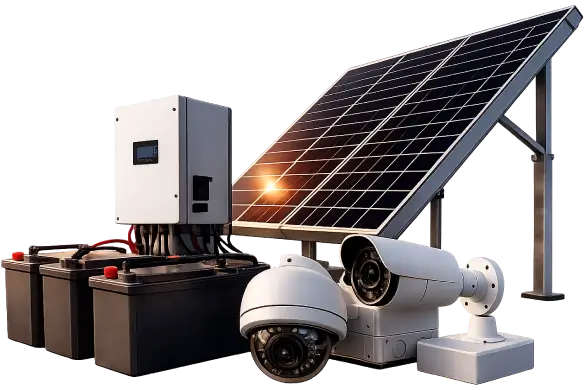
  • CCTV installation
  • Solar equipment installation
  • Appliance repair
  • Electrical testing
  • Property maintenance
  • Industrial equipment servicing
The exact tools required will depend on the complexity of the work and the electrical system being handled.

Electrical Tool Safety

Electrical work can expose users to electric shock, burns and other hazards. Always use tools that are suitable for the task and rated for the electrical environment. Important safety practices include:
  • Isolating the electrical supply before starting work
  • Confirming that circuits are not live
  • Using properly insulated tools where required
  • Wearing suitable personal protective equipment
  • Inspecting tools for damage before use
  • Following manufacturer instructions
  • Avoiding damaged cables, handles or test leads
  • Keeping tools dry and properly stored
Complex electrical installation, testing and repair work should be handled by a qualified electrician.

Buy Electrical Tools from Wayad Connect

Shop electrical tools and equipment in Kenya from Wayad Connect. Browse electric screwdrivers, testers, pliers, cutters, wire-stripping tools, measuring equipment and other essential tools for electrical installation and maintenance. Compare the available tool specifications, sizes, power requirements and intended uses before purchasing. Choose equipment that matches your work requirements and provides the accuracy, control and durability needed for the job.

Frequently Asked Questions

What tools does an electrician need?

Common electrical tools include screwdrivers, voltage testers, multimeters, pliers, wire cutters, wire strippers, crimping tools, measuring tapes and drilling equipment. The exact tool set depends on the type of electrical work.

What is an electric screwdriver used for?

An electric screwdriver is used to tighten and loosen screws quickly. It can help with the installation of electrical accessories, plug sockets, double sockets, control panels and equipment enclosures.

What tools are needed to install plug sockets?

Socket installation may require insulated screwdrivers, a voltage tester, wire strippers, pliers, measuring tools and a spirit level. Installation should be completed by a qualified electrician.

What is the difference between a voltage tester and a multimeter?

A voltage tester mainly indicates whether voltage is present. A multimeter can measure several electrical values, which may include voltage, current and resistance, depending on the model.

Are all screwdrivers suitable for electrical work?

No. Electrical work may require insulated screwdrivers designed and rated for use around electrical systems. Standard screwdrivers may not provide suitable protection.

How should electrical tools be stored?

Electrical tools should be cleaned, inspected and stored in a dry toolbox or organised storage area. Damaged tools, cracked handles and worn test leads should be repaired or replaced before further use.